WHO praises Viet Nam's health achievements
VGP - The Year of the Horse 2025 was a milestone year for health in Viet Nam. There were many highlights, but a standout was the adoption of Resolution 72, which places health at the center of the Government's reform agenda for the future, said Dr. Angela Pratt, the WHO Representative in Viet Nam.
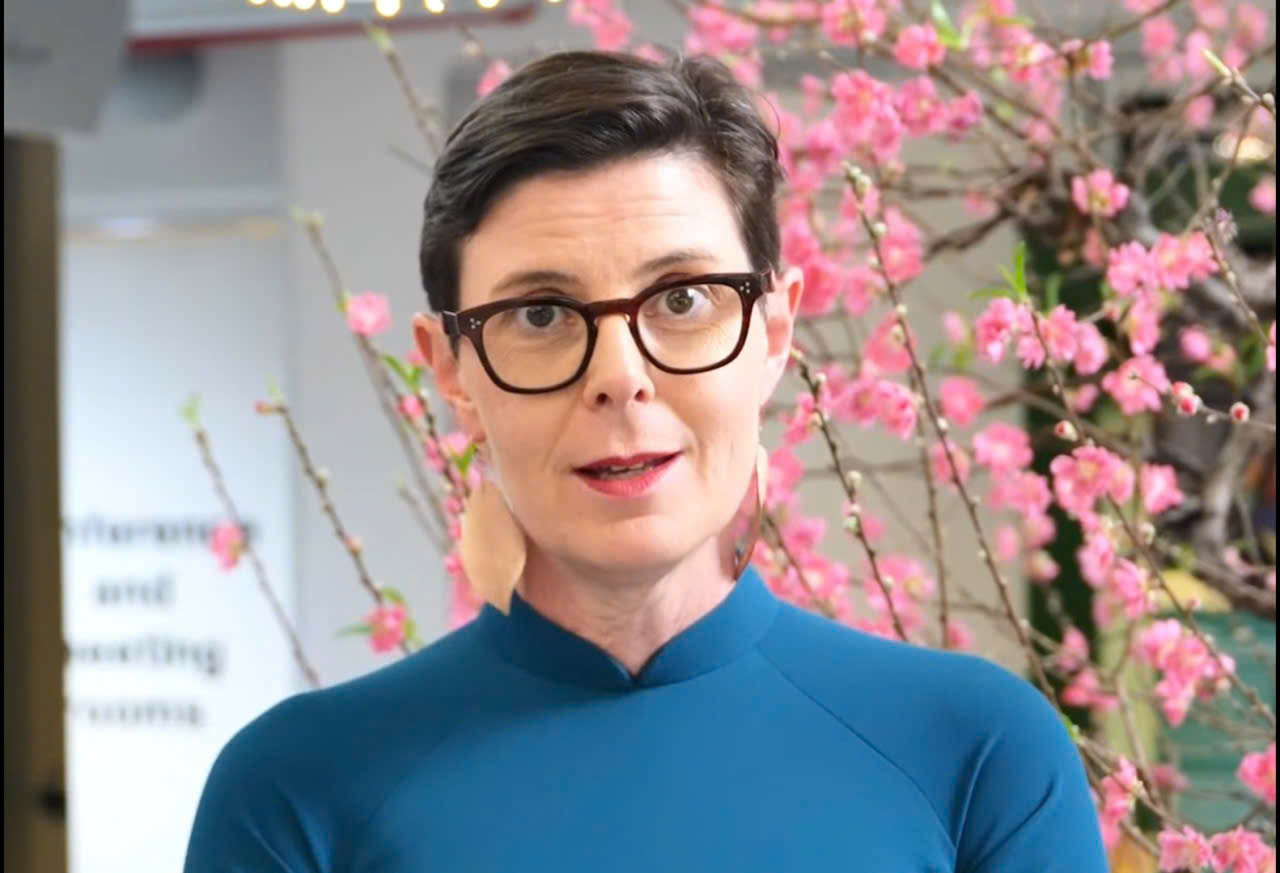
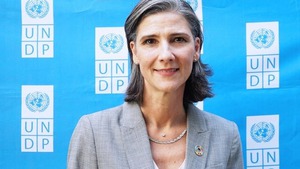
Dr. Angela Pratt, the WHO Representative in Viet Nam - Photo: WHO
What are your most impressions of Viet Nam in the Year of the Snake 2025, especially in terms of public health care and medical policy making?
Dr Angela Pratt: The Year of the Horse 2025 was a milestone year for health in Viet Nam. There were many highlights, but a standout was the adoption of Resolution 72, which places health at the centre of the Government's reform agenda for the future – and sets a bold and ambitious agenda for strengthening the health system and improving the health of the population. WHO warmly congratulates the Party and the Government on this vision.
We also congratulate the Government on several milestone legislative achievements, including the Law on Disease Prevention, the Population Law, and the National Targeted Program (NTP) on healthcare, population and development. Robust legal frameworks are critically important for long-term, sustainable health system strengthening health laws and policies are the foundations upon which the health system and delivery of health services are built. This will lead to significant improvements to Viet Nam's health system and population health outcomes in the coming years.
In addition, after the National Assembly's bold and historic decision to ban e‑cigarettes and heated tobacco products in November 2024, the ban entered into force in January 2025. This ban has subsequently been reinforced through other legal measures, including, most recently in December 2025, in the revised Investment Law, which prohibits business activities related to these harmful products.
Other important milestones in 2025 included: the impressive achievement of reaching over 95 percent social health insurance coverage; a rebound in routine immunization coverage; and the National Assembly voting to approve the revised Excise Tax Law, raising tobacco and alcohol tax, and introducing a new tax on sugar-sweetened beverages – which will help reduce consumption of these unhealthy products.

In 2026, WHO will continue supporting Viet Nam's progress toward the health-related Sustainable Development Goals under the 2030 Agenda, with a focus on strengthening primary health care, enhancing disease prevention, and improving environmental health to build a more resilient and equitable health system
Please tell us about WHO's cooperative priorities to support Viet Nam in the Year of the Horse 2026?
Dr Angela Pratt: In 2026, WHO will continue supporting Viet Nam's progress toward the health-related Sustainable Development Goals under the 2030 Agenda, with a focus on strengthening primary health care, enhancing disease prevention, and improving environmental health to build a more resilient and equitable health system. Some key priorities include:
Primary health care and ageing: supporting the Government in its efforts to strengthen integrated, people‑centred care, with a shift from a treatment‑focused model towards prevention and early intervention, particularly in the context of an ageing population – in line with Resolution 72;
National Target Program (2026–2035): WHO is supporting the implementation of this new program, which aims to provide free annual health check‑ups and screenings, upgrade all commune‑level health stations, and increase health insurance coverage to more than 95% of the population;
Disease prevention and health security: Key areas of work include addressing noncommunicable diseases (NCDs), preventing vaccine‑preventable diseases, reducing major risk factors such as tobacco use, e‑cigarettes, unhealthy diets, and alcohol consumption, and strengthening Viet Nam's emergency preparedness system. In addition, WHO is assisting the government to strengthen early detection and management of hypertension and diabetes to prevent complications such as stroke and heart attacks;
Climate change and health: WHO is supporting the government in building climate‑resilient and low‑carbon health systems and facilities, improving urban air quality, and addressing the health impacts of air pollution.
Policy and technical support: WHO will continue providing evidence‑based policy and technical support to the Ministry of Health and provincial health authorities, with a focus on strengthening health promotion, health system resilience, service delivery, and essential public health functions.
Viet Nam continues to make impressive strides in its social and economic development, underpinned by stronger commitments to building a safer and healthier society. WHO Viet Nam is privileged to continue working in close collaboration with the Government of Viet Nam and other partners on this journey in 2026 and beyond.
Do you have any suggestions for Viet Nam in general and the Ministry of Health to take care of our over 100 million population in the coming time?
Dr Angela Pratt: The adoption of Resolution 72, which places health at the centre of the Government's reform agenda for the future, sets a bold and ambitious agenda for strengthening the health system and improving the health of the population. Accordingly, full implementation of Resolution 72, and implementation of the recently adopted Law on Disease Prevention, the Population Law, and the National Targeted Program (NTP) on health, will lead to significant improvements to Viet Nam's health system and population health outcomes in the coming years.
Resolution 72 and the laws adopted by the National Assembly last year signal a very important shift in direction of Viet Nam's health policy: to a much greater focus on preventing and better managing early signs of disease (rather than just treating people who are already very sick). An example is hypertension: it is best prevented, where possible, through efforts to reduce smoking rates and lower salt consumption in people's diets. But where people have already developed hypertension, if detected early, it can be managed or controlled well – so people can still live long and healthy lives. This is best achieved through strengthening disease prevention and screening services, and primary health care or grass roots health care services.
The new laws and the NTP on health will help Viet Nam address both immediate and medium-term health priorities, and advance this shift in direction. To ensure the long-term sustainability of these efforts, it will be critically important to invest in building core, sustainable health system foundations. These include:
+ a strong network of well-equipped, well-staffed commune health stations providing high-quality primary health care services, and a well-regulated hospital system;
+ a health financing system that provides sufficient resources to ensure access to quality, essential health services for all of the population, and regulates costs and prices, in order to yield maximum benefit for the greatest number of people from the financial resources invested into the health system;
+ a skilled health workforce; a transparent, robust public procurement system able to ensure access to affordable, quality medicines and other essential medical products for all of the population; and
+ a robust, integrated health information and well-designed digital system, for example, for providing electronic health records.
These foundational systems will enable the country to not only meet current needs, but also help set Viet Nam's health system up to effectively and sustainably manage future health challenges – including increasing demand for health services as the population ages, the health impacts of climate change, and the growing health burden of non-communicable diseases and conditions.
Could you please share your expectations for Viet Nam's political, economic, and social trajectory over the next decade — particularly as the country moves toward the centenary of the Party (2030) and the 100th anniversary of national founding (2045)?
Dr Angela Pratt: WHO Viet Nam congratulates the Party on the success of the recent 14th National Congress. This Congress marks a historic milestone in Viet Nam's journey into a new era, one in which health will play a central role in the country's social and economic development.
Over the past few decades, Viet Nam has achieved remarkable progress. This has included lifting millions of people out of poverty, maintaining strong economic growth, and expanding health services, through bold and ambitious health policies, and the efforts of leaders and healthcare workers across the country.
WHO Viet Nam, with our sister UN agencies here in Viet Nam, are privileged to walk alongside Viet Nam as it continues to build a healthier, safer and stronger future.
As the Lunar New Year Festival is approaching. How do you feel about the most important festival in Viet Nam? Do you have any special plan to enjoy the big festival with your family? Do you have any message for Vietnamese people to protect their health and welcome the festival?
Dr Angela Pratt: I love Tet! It is such a special time to be in Viet Nam: I love seeing the kumquat trees and blossoms being transported around the city, the special Tet foods and traditions that friends and colleagues share, and the festive atmosphere. My daughters love dressing up in their Ao Dai to celebrate and mark this special season.
For all of my Vietnamese friends and colleagues, I hope Tet is a happy and joyful time of family reunion, reflection and celebration.
I also take this opportunity to wish the general public a very happy Tet, along with a friendly reminder to stay safe and heathy while you are celebrating! Remember to maintain good hygiene, ensure safe food handling practices, avoid close contact with people who are sick (but check in with them to see if they are ok!), stay safe on the roads, and if you drink, please do not drive.
On behalf of WHO Viet Nam, I wish everyone in Viet Nam a very Happy New Year, full of good fortune, prosperity, happiness, and of course, good health.
Thank you so much!