
Master plan on nuclear energy development put into action
VGP – The Government of Viet Nam has approved a plan to implement the master plan on nuclear energy development by2030, with a vision toward 2050.
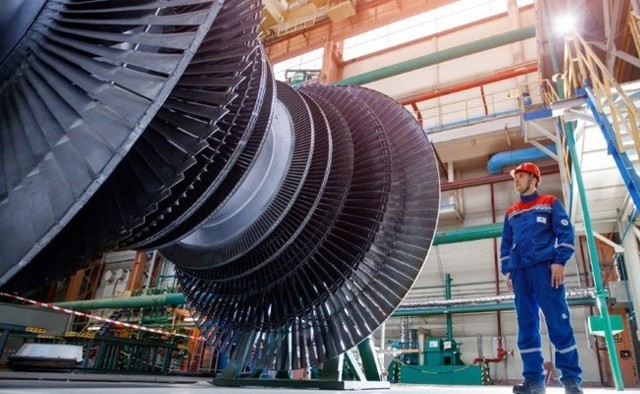
Viet Nam targets human resource training and assurance of nuclear safety and security through 2030 - Illustration photo
The new plan sets out a detailed roadmap to expand the development and application of nuclear energy through 2030, with a long-term vision to 2050, as part of a Government push to harness radiation and radioisotopes safely and effectively across key sectors.
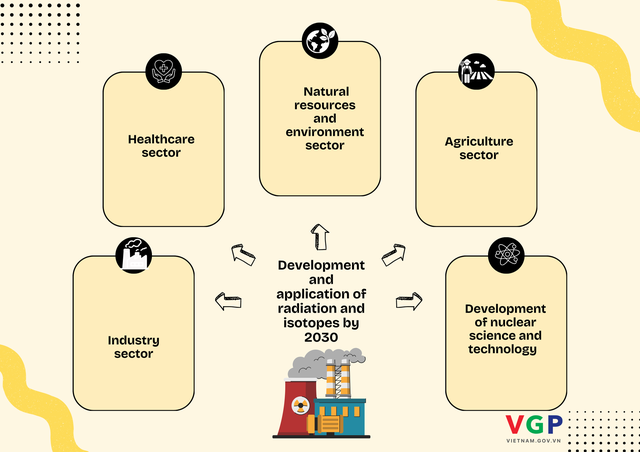
Viet Nam sets orientations for applying nuclear energy across sectors - Photo: VGP
Through 2030, key tasks focus on developing and applying radiation and radioisotopes in health care, natural resources and the environment, agriculture and industry, alongside strengthening nuclear science and technology capacity, human resources, and nuclear safety and security.
Regarding the healthcare sector, the plan targets to upgrade and expand networks of radiotherapy, nuclear medicine and diagnostic imaging facilities.
Specific tasks include investing in and establishing oncology and nuclear medicine departments in centrally run provinces and cities. Private healthcare facilities are encouraged to invest in modern radiation-based equipment.
The plan also aims to improve facilities, workforce quality and operational efficiency of institutions involved in research, application and training in nuclear energy.
Priorities include studying the establishment of a national institute or center for radiation medicine; investing in leading oncology and nuclear medicine units.
Prioritized projects on nuclear energy development
The plan figures out major investment projects, including:
- Upgrading the national radiation environment monitoring and early warning network;
- Enhancing the research and technical support capacity of the Viet Nam Atomic Energy Institute;
- Investing in a cyclotron accelerator and laboratory facilities in Ha Noi to develop radiopharmaceuticals;
- Strengthening national capacity in radiation medicine and medical exposure control in line with international standards;
- Establishing monitoring stations using cosmic-ray neutron techniques and stable isotopes to support soil moisture mapping, drought monitoring and water resources management./.