
Viet Nam set to roll out E10 biofuel from April amid global energy uncertainty
VGP - Viet Nam is expected to officially roll out E10 biofuel from April, two months earlier than the originally scheduled deadline, in a bid to reduce mineral gasoline consumption by 10 percent and cut dependence on imported fuel amid a volatile global energy market.
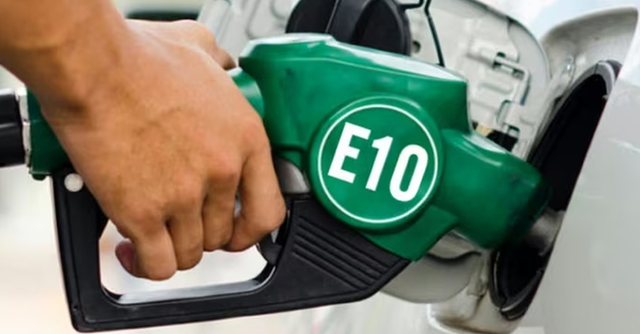
E10 gasoline, a fuel blend containing 10 percent ethanol and 90 percent conventional gasoline will be available nationwide from next month - Illustration photo
The move is part of the Prime Minister's Directive No. 09/CT-TTg on strengthening energy conservation, promoting energy transition, and developing electric transport, issued on March 19, 2026.
Prime Minister Pham Minh Chinh called for intensified efforts to implement energy-saving measures, stressing that energy efficiency is a key solution to easing supply pressures in the context of global energy volatility.
He highlighted the need to accelerate the transition to electric vehicles, develop charging infrastructure, and encourage the use of biofuels to reduce reliance on imported gasoline and oil.
The directive also calls for increased investment in technological innovation and energy-efficient equipment, optimization of production systems, enhanced recovery and reuse of waste heat, and the application of digital technologies in energy management. Priority sectors include steel, cement, chemicals, paper and pulp, beer and soft drinks, plastics, textiles, and food processing.
In addition, the Prime Minister urged the development of electric vehicle charging infrastructure, the introduction of policies to promote electric vehicle production and use, and the gradual transition of public transport and service vehicles to electricity.
The Ministry of Industry and Trade of Vietnam has been tasked with finalizing mechanisms, policies, standards, and technical regulations on energy efficiency, expanding the list of vehicles and equipment subject to energy labeling, and enforcing minimum energy performance standards.
Inspections of compliance with energy-saving regulations—particularly among major energy-consuming enterprises and those involved in the extraction, processing, and transport of fuel—must be completed in the second quarter of 2026.
Meanwhile, the Ministry of Agriculture and Environment of Vietnam is responsible for developing regulations on the management, recovery, and recycling of electric vehicle batteries and related waste, with completion targeted for the third quarter of 2026.
Provincial and municipal People's Committees are tasked with issuing policies to encourage investment in EV charging infrastructure and rooftop solar power systems, tailored to local conditions, by September 2026.
Fuel distributors are also required to strengthen control over fuel consumption norms across transportation, storage, and distribution systems, while applying technologies and optimizing logistics to reduce energy use and emissions.
E10, a blend of 10 percent of ethanol and 90 percent of gasoline, is considered a practical upgrade from the currently used E5 fuel. It balances environmental benefits with technical feasibility, as most gasoline-powered vehicles can use it without modification.
Viet Nam began nationwide deployment of E5 gasoline during 2014–2015. Under the original roadmap, E10 was scheduled for rollout between 2020 and 2022. However, implementation delays—largely due to a lack of coordination—have postponed its adoption.
With blending ratios such as E5, E10, B5, and B10, Viet Nam can gradually reduce its reliance on fossil fuels. This is particularly significant for an economy with a large agricultural sector, as the biofuel program creates demand for crops like cassava and corn while strengthening linkages between agriculture and processing industries.
Viet Nam currently consumes about 26–26.5 million cubic meters/tons of petroleum products annually. A 10 percent of ethanol blending ratio would replace a substantial volume of fossil fuels. If effectively implemented and expanded to higher blends such as E15, E20, B15, or B20—already used in some countries—the reduction in fuel imports would become even more pronounced.
At present, domestic production meets only around 70 percent of Viet Nam's fuel demand, with the remaining 30 percent reliant on imports. As such, initiatives like the E10 program carry significant strategic importance in enhancing energy security and supporting sustainable development./.