Nestlé affirms Viet Nam’s strategic role in sustainable development journey
VGP - Chief executive officer for Nestlé Zone Asia, Oceania and Africa (Zone AOA) Remy Ejel reiterated that Viet Nam is becoming one of the most important growth drivers for Nestlé in ASEAN.
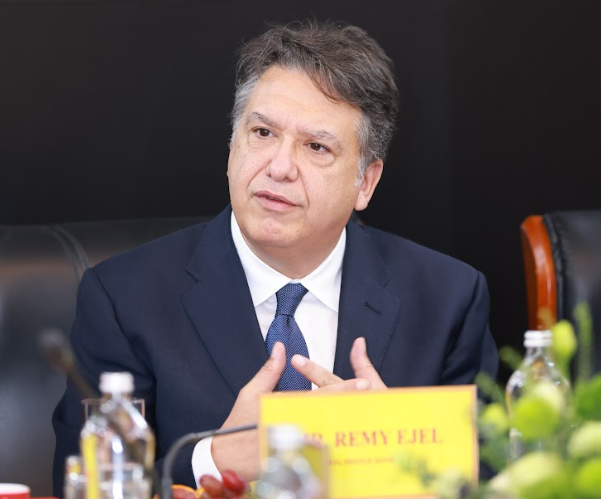
Mr. Remy Ejel, CEO, Nestlé Zone AOA: Viet Nam is becoming one of the most important growth drivers for Nestlé in ASEAN – Photo: VGP/Thuy Dung
In an interview with the press, Ejel said, Nestlé is proud to accompany Viet Nam through familiar products such as Nescafé, KitKat, and Maggi, while remaining committed to improving consumers' quality of life through nutrition, health, and wellness.
The group highly values the Vietnamese market thanks to its strong consumer growth and significant investment potential, he said, adding that the nation is not only an important domestic market but is also emerging as a key export hub for the company.
Alongside that, skilled human resources, a dynamic workforce, market stability, and a favorable policy environment have made Viet Nam a long-term investment destination for Nestlé, the Chief executive officer highlighted.
Regarding Nestlé's commitment to achieving net-zero emissions by 2050, Ejel noted that the company is ahead of schedule by leveraging its global R&D network and promoting regenerative agricultural practices.
Agriculture is a strategic focus because nearly two-thirds of the overall emissions come from agriculture and is also an area where scientific and technological innovation can create significant transformation, he added.
Explaining why Nestlé chose Viet Nam as a hub for coffee investment, he said that the company purchases nearly USD $700 million worth of coffee in Viet Nam annually.
He emphasized Viet Nam's geographic advantages, skilled labor, and strong collaborative spirit from the government to farmers. Moreover, Viet Nam not only provides green coffee beans but also plays a crucial role in processing — an essential part of the global coffee value chain.
Adding to this, Binu Jacob, CEO of Nestlé Viet Nam, said that collaboration with the Central Highlands Agricultural and Forestry Science and Technology Institute demonstrates Nestlé's efforts in technology transfer, from supplying quality and climate resilient plantlets to supporting farmers in increasing yields.
He noted that Vietnamese farmers are open-minded and willing to innovate, creating a favorable ecosystem for Nestlé's "train-the-trainer" program, in which 120 farmer leaders train 23,000 others.
According to Ejel, global economic and political uncertainties do not affect Nestlé's investment plans in Viet Nam, as the company operates with a long-term strategy. Strong ties with the farming community and superior production efficiency help the nation maintain its strategic role.
Looking ahead to Viet Nam's goal of becoming a high-income country by 2045, Nestlé stands ready to contribute through three pillars, including technology transfer, driving economic growth through investment, and developing local talent. Specifically, Nestlé collaborates with agricultural science institutes to apply and transfer technological advances suitable for the nation.
"We have continuously invested in Viet Nam over the past decades, particularly in the last three years. Our investment during the past three years is nearly equal to the total investment of the first 25 years, showing our confidence in the country and our commitment to investing for the future. The more capital we bring into Viet Nam, the more we contribute to the country's GDP growth," Ejel shared.
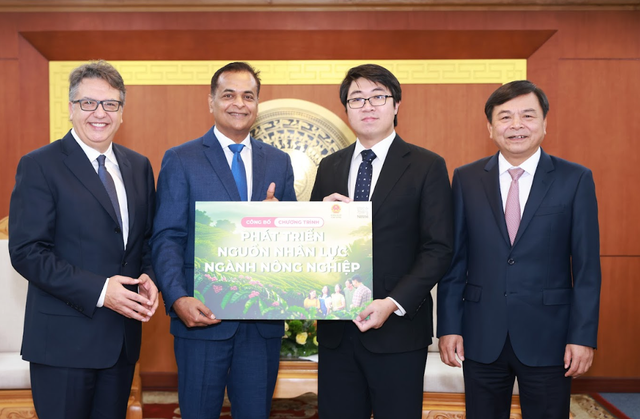
As part of the partnership with the Ministry of Agriculture and Environment, Nestlé will launch an internship program for agriculture students at Tay Nguyen University to cultivate the next generation of leaders in sustainable agriculture– Photo: VGP/Thuy Dung
Nestlé Vietnam has signed a Memorandum of Understanding (MoU) with several technical universities in the " Triple Helix" model (University – Industry – Government), and plans to support agricultural students, especially in the Central Highlands, to attract young people back to smart and sustainable agriculture.
"This also aligns with Nestlé's philosophy of Creating Shared Value — in business, it's not just about profit; we want the community, the government, and Vietnamese youth to benefit as well," the Nestlé representative said.
Nestlé looks forward to accompanying Viet Nam on its growth journey, affirmed Ejel./.
