Human, animal, and environmental health united to tackle health threats
VGP - The Ministry of Health and the World Health Organization (WHO) brought together Government agencies, development partners, UN organizations and experts from the human, animal and environmental sectors to discuss how Viet Nam can better protect people from health threats such as disease outbreaks, antimicrobial resistance (AMR) and the health impacts of climate change.
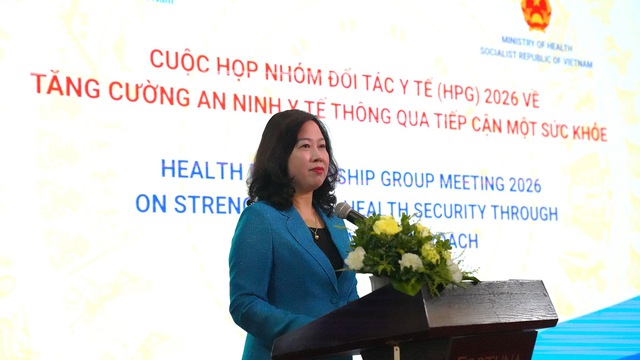
Minister of Health Dao Hong Lan
Many of today's health threats emerge from the interaction between people, animals and the environment. Diseases can spread between animals and humans, AMR can circulate through people, livestock, food systems and the environment, and climate change can increase health risks while disrupting essential services.
To address these interconnected challenges, Viet Nam is strengthening its One Health approach, which brings together experts from the human health, animal health and environmental sectors to identify risks earlier and respond more effectively. At today's meeting, the Government and partners focused on practical ways to strengthen collaboration between sectors, improve disease surveillance, share information more quickly and help communities better prepare for future health threats.
The Health Partnership Group meeting followed World AMR Awareness Week 2026 (18-24 November), which highlighted the growing threat of AMR. Participants noted that AMR is a clear example of why a One Health approach is essential, as resistant microbes can spread between people, animals, food systems and the environment.
Under Government leadership, Viet Nam has made significant progress in strengthening its ability to prevent, detect and respond to health threats. In 2025, the country completed its second Joint External Evaluation (JEE), an independent assessment of national capacities to prevent, detect and respond to public health emergencies under the International Health Regulations. Viet Nam also enacted the Law on Disease Prevention, designated a National International Health Regulations Authority and renewed the One Health Partnership for Zoonoses in 2026, bringing together 57 national and international partners.
To build on these achievements, participants highlighted the importance of making cross-sector collaboration part of everyday practice, not only during emergencies. Stronger information sharing, joint risk assessment, planning and coordinated action can help identify risks earlier and prevent them from becoming larger crises.
They also emphasized the importance of finalizing and implementing the renewed National One Health Master Plan and a National Plan on Strengthening Health Security, to help turn commitments into action, address recommendations from the 2025 Joint External Evaluation and mobilize resources to strengthen preparedness over the long term.
Recognizing the growing evidence of the impact of climate change on health, food security, livelihoods and access to health services, participants agreed that climate considerations should be integrated across all areas of the One Health agenda.
Minister of Health Dr Dao Hong Lan said, "Today's health threats no longer exist in isolation. They are increasingly complex and interconnected. Emerging and re-emerging infectious diseases, antimicrobial resistance, food and water safety issues, natural disasters and climate change, and chemical and radiological incidents, among others, overlap and interact with one another, directly affecting people's health, social stability and economic development. Protecting people's health against these challenges requires strong prevention, effective preparedness and close cross-sector collaboration."
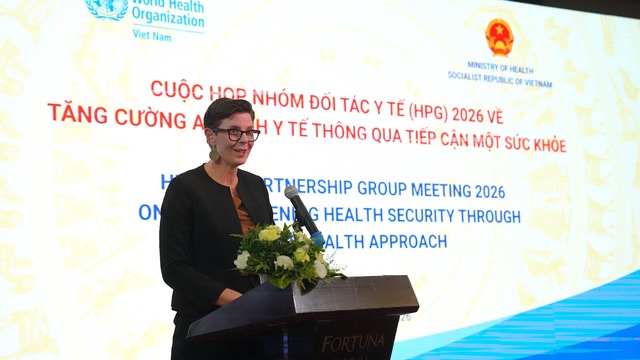
WHO Representative in Viet Nam Dr Angela Pratt
WHO Representative in Viet Nam Dr Angela Pratt said, "Behind every discussion about preparedness and health security is a simple goal: protecting people and communities. Whether it is preventing disease outbreaks, tackling AMR or responding to the effects of climate change, the best results come when sectors work together rather than separately. Viet Nam has shown strong leadership in strengthening collaboration across human, animal and environmental health, and WHO remains committed to supporting these efforts to help keep people safer, healthier and better prepared for future threats."
At the meeting, participants affirmed their commitment, under the leadership of the Government, to strengthen collaboration across human, animal and environmental sectors, invest in prevention and preparedness, and ensure the country is ready to manage future health threats. Continued investment by both government and partners in One Health collaboration will be essential to building a healthier, safer and more resilient future for the people of Viet Nam.
The meeting was supported by the United Kingdom (UK) Government through the ASEAN-UK Health Security Partnership./.