
Gov’t proposes Viet Nam Culture Day as paid day off
VGP - On behalf of the Government, Minister of Culture, Sports and Tourism Lam Thi Phuong Thanh presented a draft resolution designating November 24 as “Viet Nam Culture Day”, granting workers a fully paid day off.
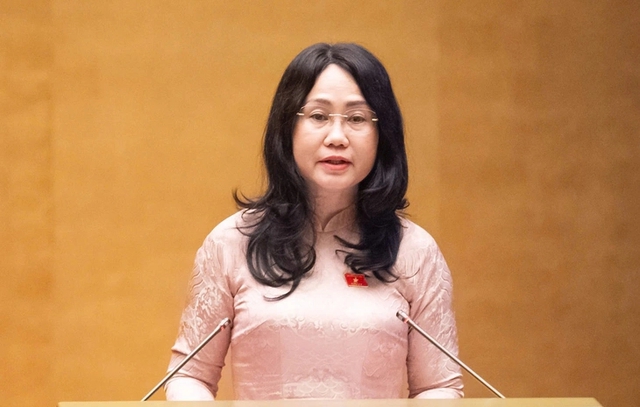
Minister of Culture, Sports and Tourism Lam Thi Phuong Thanh
The draft resolution also outlines several breakthrough mechanisms and policies for the development of Vietnamese culture.
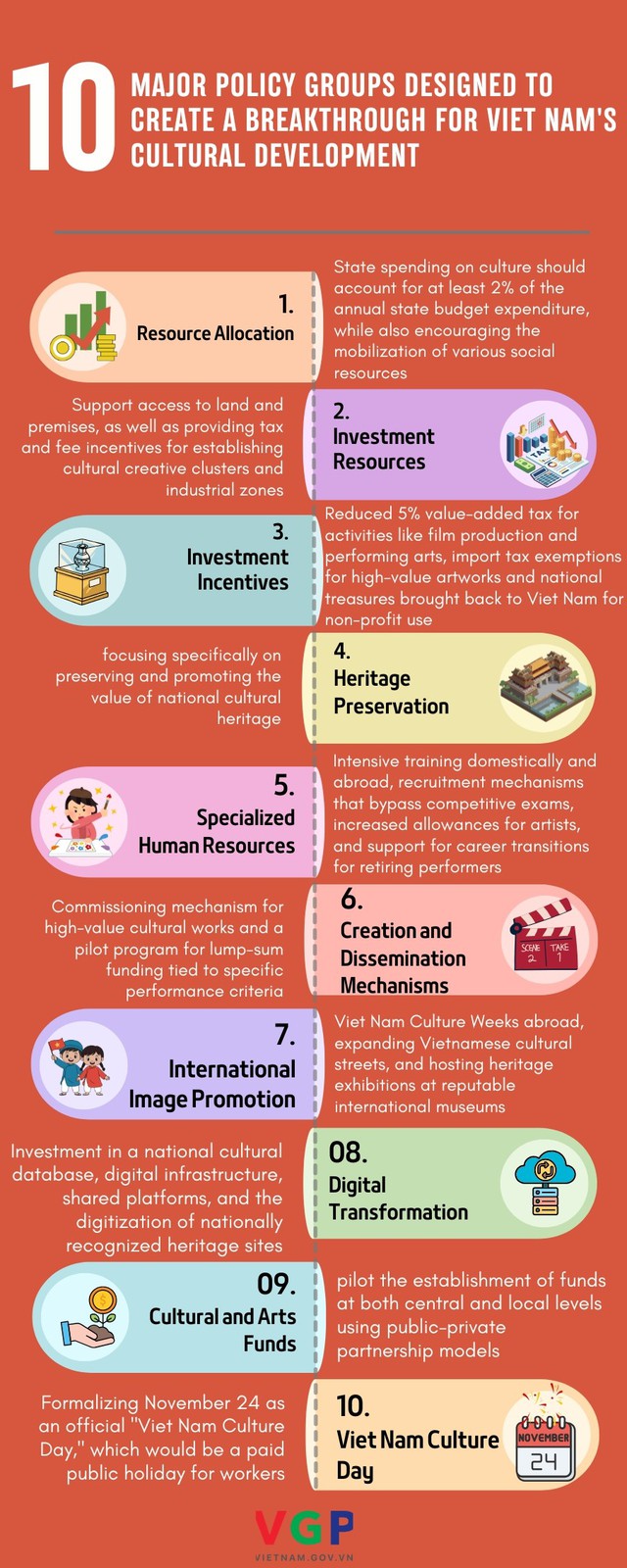
The proposal includes 10 major policy groups aimed at advancing the cultural sector.
First, regarding resources, the Government proposes that state spending on culture should account for at least 2 percent of total annual state budget expenditure, while also encouraging the mobilization of social resources for cultural development.
Second, to attract and unlock investment resources, the proposal includes policies to support access to land and premises, as well as tax and fee incentives for the establishment of cultural creative clusters and industrial zones. It also suggests assigning local communities the management and operation of certain grassroots cultural and sports facilities.
Third, on investment incentives, the government proposes applying a 5 percent value-added tax rate to activities such as film production, distribution and exhibition, as well as exhibitions, sports, and performing arts. It also recommends a full exemption from import taxes and customs fees for high-value artworks, national treasures, and rare antiques purchased abroad and brought back to Viet Nam for non-profit exhibition purposes.
Fourth, the Government emphasizes the need to focus on preserving and promoting the value of national cultural heritage.
Fifth, it proposes preferential policies to nurture and develop specialized human resources in the cultural and sports sectors. These include intensive training programs both domestically and abroad, recruitment mechanisms that do not require competitive exams, increased professional allowances, and support for artisans and artists. It also includes retraining policies to help artists transition careers after retiring from performance.
Sixth, the government suggests implementing a commissioning mechanism for the creation and dissemination of high-value cultural works in terms of ideology, content, and artistic merit. It also proposes piloting a lump-sum funding mechanism tied to specific criteria and conditions.
Seventh, the proposal highlights the need to promote Viet Nam's image and people internationally through initiatives such as organizing Viet Nam Culture Weeks abroad, expanding Vietnamese cultural streets, and hosting themed exhibitions of Vietnamese cultural heritage at reputable international museums.
Eighth, regarding digital transformation, the government stresses prioritizing investment in developing a national cultural database, digital cultural infrastructure, and shared platforms. It also proposes digitizing nationally recognized heritage sites and establishing cultural innovation centers.
Ninth, the Government suggests piloting the establishment of cultural and arts funds at both central and local levels, operating under public-private partnership models.
Finally, the proposal seeks to formalize the designation of November 24 as Viet Nam Culture Day, with workers entitled to a paid day off.
Presenting the review report, Chairman of the National Assembly's Committee for Culture and Society Nguyen Dac Vinh expressed agreement with the proposal to designate November 24 as Viet Nam Culture Day with paid leave.
Earlier, in January, the Politburo issued the Resolution No. 80-NQ/TW, which highlights the significance of innovation and digital transformation in Viet Nam's cultural development./.