
Viettel switches off 2G network nationwide
VGP - The Military Industry-Telecommunications Group (Viettel) officially switched off its 2G network nationwide on September 15, in line with the roadmap set by the Ministry of Science and Technology.
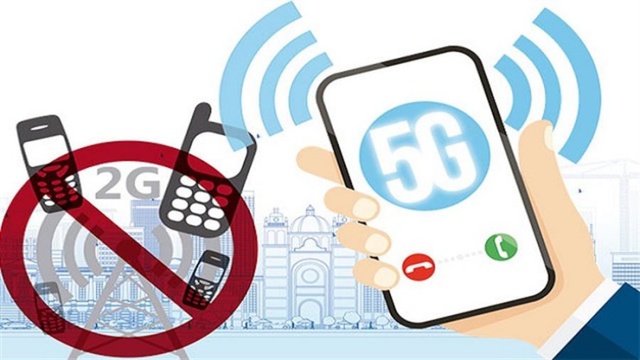
Prior to the shutdown, 99 percent of Viettel's customers had already been using 4G/5G networks for both voice and data services. Around 750,000 subscribers, however, still need to migrate to 4G/5G-compatible voice services.
VinaPhone also switched off its 2G network on September 15, while MobiFone is scheduled to complete the shutdown on September 16.
The move marks another step in Viet Nam's roadmap to phase out 2G services and reallocate spectrum resources to newer generations of mobile networks. The roadmap was introduced by telecommunications authorities in 2024.
Since October 2024, mobile network operators have stopped providing services to subscribers using mobile phones that support only 2G. Part of the 2G network was subsequently maintained to serve certain 3G and early-generation 4G devices that did not support VoLTE (Voice over LTE), as well as communications in certain areas.
In recent months, mobile network operators have gradually switched off 2G services in areas where conditions permitted, rather than waiting for the nationwide shutdown deadline.
At the same time, frequency bands previously used for 2G services, including the 900 MHz band, have been put up for auction for reallocation to newer mobile technologies, including 5G and, in the longer term, 6G.
The 2G network was commercially launched worldwide in 1991 and introduced in Viet Nam in 1993, when MobiFone began operations. After more than three decades, the second-generation mobile network is now being phased out to make way for newer technologies.
The shutdown of 2G services is expected to free up spectrum resources for new mobile technologies, enabling telecommunications operators to expand 5G networks, improve coverage and service quality, and prepare infrastructure for future technologies.
Following the 2G shutdown, 3G networks are expected to begin being phased out from September 2028./.