
Viet Nam's manufacturing PMI posts 51.8 in June
VGP - Viet Nam Manufacturing Purchasing Managers' Index (PMI) posted 51.8 in June, down from 52.8 in May but still above the 50-point threshold, signaling a continued improvement in the health of the sector, S&P Global said on July 1.
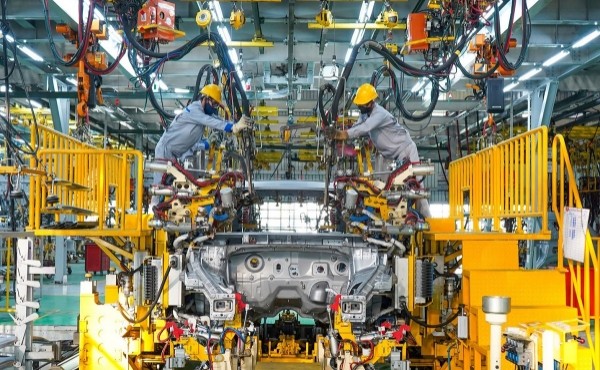
S&P Global said growth was underpinned by further gains in new orders, which supported a 14th consecutive month of rising output. Production growth in June also accelerated to its fastest pace since February, reflecting stronger underlying demand.
"Growth was maintained in the Vietnamese manufacturing sector during June amid further improvements in new orders and an easing of inflationary pressures," the report said, adding that purchasing activity also increased during the month.
Firms ramped up input purchases to meet rising production needs, but supply-chain delays continued to weigh on inventories, with input stocks falling sharply during the month.
Input costs continued to rise sharply in June due to material supply shortages and higher transportation costs, but the rate of inflation was much softer than that seen in May and the lowest since the start of the year.
Despite stronger activity, manufacturers reduced staffing levels again in June, highlighting continued caution over labor demand even as workloads increased.
Business confidence improved to a four-month high, supported by expectations of further gains in new orders, product development and capacity expansion. However, sentiment remained below pre-conflict levels seen before recent geopolitical tensions in the Middle East.
Andrew Harker, economics director at S&P Global Market Intelligence, said that employment trends remained a weak spot despite improving output and demand conditions.
Still, the sector entered the second half of 2026 on a positive footing, and should remain in expansion as global conditions is predicted to stabilize in the months ahead./.