
Viet Nam strengthens polio prevention and control measures
VGP - Health authorities from central to local levels need to step up surveillance of polio following a poliovirus outbreak in the neighboring country of Laos.
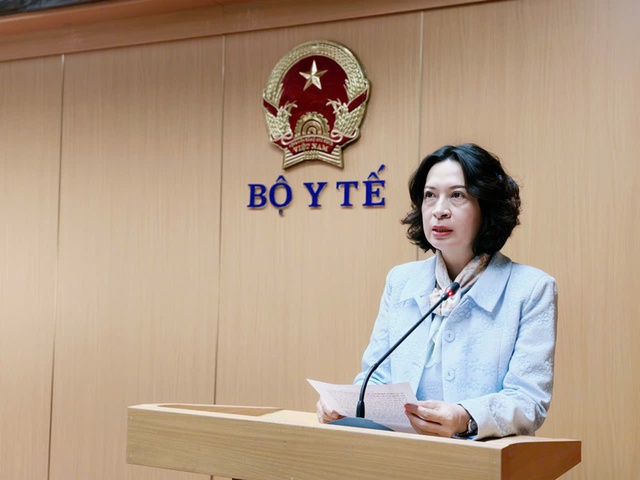
Deputy Minister of Health Nguyen Thi Lien Huong at the video-teleconference on polio prevention and control, Ha Noi, December 12, 2022 - Photo: VGP/Hien Minh
Deputy Minister of Health Nguyen Thi Lien Huong made the request while chairing a nationwide video teleconference on polio prevention and control held in Ha Noi on December 12.
The World Health Organization (WHO) considers the situation in Laos a regional outbreak and urges neighboring countries, including Viet Nam, to implement urgent response measures.
"The risk of poliovirus entering Viet Nam is very high and imminent," WHO warned.
In response, the Ministry of Health decided to maintain high vaccination coverage, conduct risk assessments, and strengthen laboratory capacity. Specialized institutes have been assigned to develop technical guidelines and prepare surveillance and response plans tailored to the level of outbreak risk.
As the Law on Disease Prevention was passed on December 11, 2025, WHO recommends that relevant decrees and circulars should be developed soon to facilitate polio response activities as well as the prevention and control of other infectious diseases.
Viet Nam was certified polio-free by WHO in 2000 and has maintained this achievement for more than two decades. Over 95 percent of children in Viet Nam have received polio vaccination over the past many years.
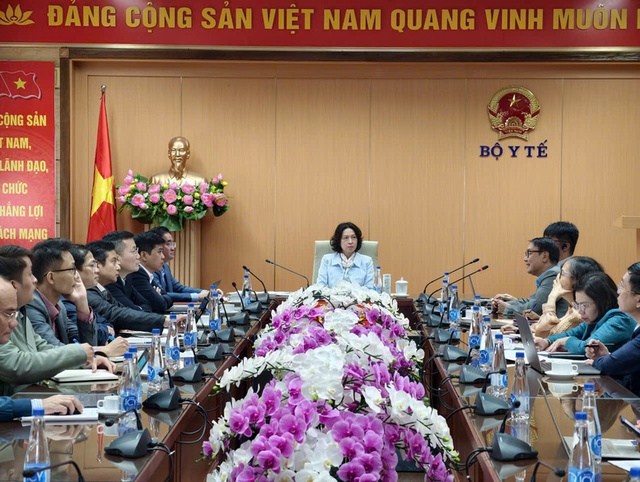
Photo: VGP/Hien Minh
On November 12, the Ministry of Health issued a directive, calling on provincial People's Committees, Pasteur Institutes, regional Hygiene and Epidemiology Institutes, and centrally run hospitals to strengthen polio prevention efforts, particularly in provinces and communes bordering Laos or areas where the virus has been detected.
Localities are required to ensure adequate resources for prevention activities under the "four on-the-spot" principle: on-site command, on-site forces, on-site logistics, and on-site supplies. Provincial/municipal Departments of Finance are urged to allocate timely funding for enhanced surveillance, sample collection and transport, and supplementary immunization campaigns.
Local health authorities must also review children's vaccination records and provide catch-up doses to those who are not fully immunized, especially in high-risk areas. Routine immunization under the Expanded Program on Immunization should continue to be implemented safely and effectively.
Polio is a highly infectious viral disease that primarily affects young children and can cause permanent paralysis. The disease can be prevented through routine vaccination, proper sanitation, good hygiene, and maintaining high community immunity.