
Viet Nam experiences steady growth in global supply chains-related employment
VGP - Viet Nam has experienced steady growth in global supply chains (GSC) employment since 2008 and hosted the largest number of GSC-related jobs in South-East Asia in 2023, according to a report by the International Labor Organization (ILO).
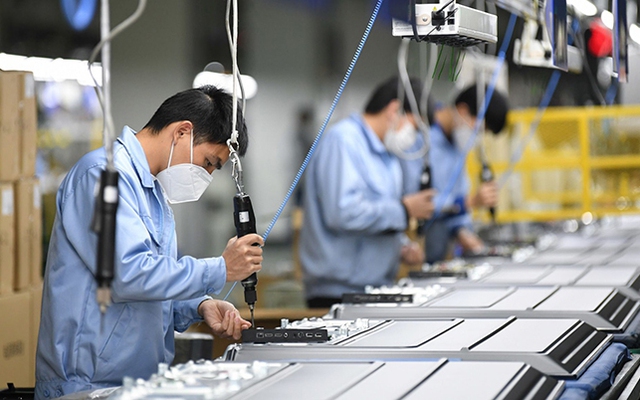
The report examines Viet Nam's expanding role in global supply chains and identifies key policy actions to strengthen their resilience and inclusiveness, while promoting decent work and enabling just transitions for workers and enterprises amid rising global trade uncertainties.
Rising global trade uncertainties demand that Viet Nam recalibrate its efforts to enhance the resilience and inclusiveness of GSCs, while promoting decent work and enabling just transitions for workers and enterprises to achieve its socio-economic aspirations.
Viet Nam accounted for more than 25 percent of the more than 75 million GSC-related jobs in South-East Asia, with over 35 percent of Viet Nam's total employment linked to GSCs – reflecting a moderate level of reliance.
Manufacturing accounted for 49 percent of all GSC-related employment in Viet Nam, with textiles and textile products accounting for nearly a third of all GSC-related employment within the sector.
Sectors with a high intensity of GSC-related employment tend to employ larger shares of female and young workers, with more formal wage employment compared to other sectors, but the proportion of high-skilled jobs remains low.
Over 76 percent of Viet Nam's GSC-related jobs in 2023 relied directly or indirectly on foreign demand from ASEAN, China, the EU, Japan, Republic of Korea, and the U.S. – highlighting the country's exposure to external demand fluctuations.
To ensure decent work outcomes in GSCs, coordinated efforts are needed across several policy areas to mitigate short-term disruptions and shape Viet Nam's medium and long-term positioning.
These include trade diversification and stronger domestic industrial linkages, inclusive, demand-driven skills development, gender-responsive labor market policies and shock-responsive social protection systems for just transitions, improved job quality and raising labor standards, and inclusive social dialogue and institutional coordination.
Strengthening the resilience of GSCs and taking advantage of new growth areas presents a strategic opportunity to further advance Viet Nam's structural transformation, enabling shifts towards higher value-added activities and higher-skilled employment, thereby reinforcing progress on the decent work agenda./.