
THE SOCIALIST REPUBLIC OF VIET NAM
Government News
Steel industry development strategy approved
VGP - The Vietnamese Government has approved the Steel industry development strategy through 2030, with a vision toward 2050.
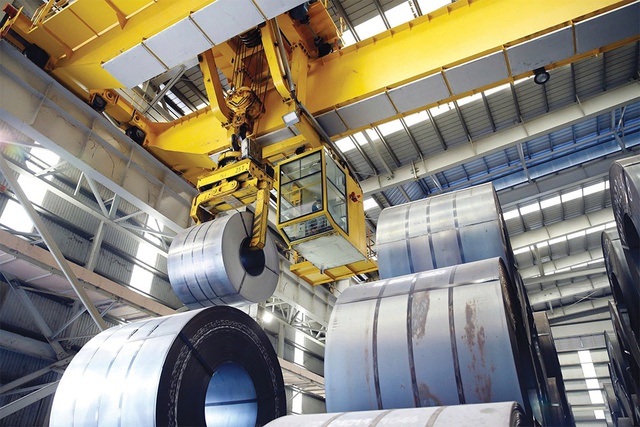
The strategy aims to develop the steel industry in line with national and international standards to meet 80-85 percent of domestic demand by the end of this decade and around 85-90 percent of domestic demand by 2035.
Annual steel output is expected to increase to 25-26 million tons by 2030, 33-36 million tons by 2035, and 75-80 million by 2050.
The strategy also sets out tasks and solutions related to institutional and policy formulation; market development; science and technology; human resources; environmental protection; and a number of specific measures by steel product groups.
Specifically, the strategy plans more investment in technology and equipment to enhance production capacity and quality for steel product groups, including construction steel, alloy steel, fabricated steel, section steel, metal-coated and color-coated sheets, steel pipes, and hot-rolled steel, in order to stabilize domestic consumption and exports.
Domestic technologies will be strengthened to produce high-strength steel plates, prestressed steel, steel for prestressed reinforced concrete, corrosion-resistant stainless steel for offshore and island projects, ultra-lightweight steel for equipment in the transport sector, cold-rolled light steel, and steel for the shipbuilding industry.
In addition, it also targets to conduct research into the production of steel products to meet material demand for energy infrastructure development, rail steel for high-speed railway development, seamless steel pipes for liquefied gas transportation, seamless pipes for shipbuilding, wind power towers, and fabricated steel products for national defense and security./.