THE SOCIALIST REPUBLIC OF VIET NAM
Government News
Over 95% of population to access airport within 100 kilometer radius by 2030
VGP - By 2030, more than 95 percent of the population in Viet Nam will be able to access an airport within a 100 kilometer radius, higher than the global average of 75 percent, according to an airport masterplan proposed by the Ministry of Construction.
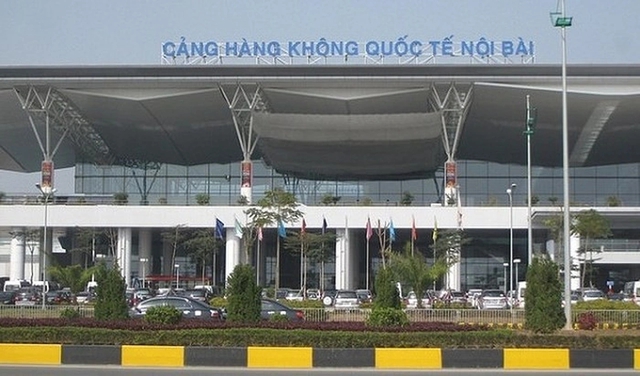
Ha Noi-based Noi Bai International Airport
The figure is equal to other countries in Asia (Japan 99 percent, South Korea 100 percent, China 73.37 percent, Malaysia 98.13 percent, the Philippines 93.62 percent and Thailand 88 percent).
Under a national airport development masterplan during the 2021-2030 period with a vision towards 2050, which was approved in June 2023, Viet Nam is expected to have a total of 30 airports by 2030 to meet both domestic and international transport demand.
This includes 14 international airports: Van Don, Cat Bi, Noi Bai, Tho Xuan, Vinh, Phu Bai, Da Nang, Chu Lai, Cam Ranh, Lien Khuong, Long Thanh, Tan Son Nhat, Can Tho, and Phu Quoc.
The remaining are domestic airports: Lai Chau, Dien Bien, Sa Pa, Na San, Dong Hoi, Quang Tri, Phu Cat, Tuy Hoa, Pleiku, Buon Ma Thuot, Phan Thiet, Rach Gia, Ca Mau, Con Dao, Thanh Son, and Bien Hoa.
Total investment to build and upgrade airports by 2030 is estimated at VND420 trillion (US$17.7 billion), which will be sourced from the State budget and elsewhere.
By 2050, the country is expected to have 33 airports, including 14 international airports and 19 domestic airports.
Logistics centers will be set up around airports with cargo demand of more than 250,000 tons a year.
Viet Nam's aviation industry set a new record in 2025, carrying 83.5 million passengers, a 10.7 percent increase from the previous year and the highest level ever recorded.
International travel was the main growth driver. Airlines transported 46.6 million international passengers, up 12 percent year on year, while air cargo volumes surged 22 percent to around 1.3 million tons.
The strong performance was supported by the continued expansion of international routes. Vietnamese carriers now operate 113 international routes linking the country with major aviation hubs across Northeast Asia, Southeast Asia, South Asia, Europe and Oceania./.