
THE SOCIALIST REPUBLIC OF VIET NAM
Government News
Gov’t tightens management, boosts effective use of public assets
VGP - Prime Minister Pham Minh Chinh has directed ministries, ministerial-level and Government agencies to promptly handle and put into use surplus offices and land generated from the recent apparatus restructuring, ensuring that no public property is left idle or deteriorates.
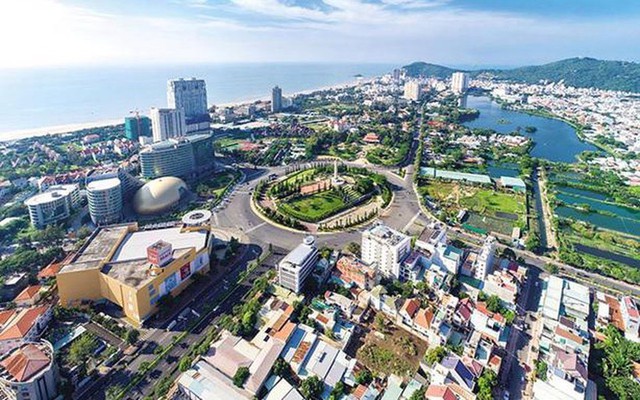
In an official telegram dated February 26, the Government chief called for stronger measures to improve the efficiency and effectiveness of arranging, managing and utilizing public assets following the reorganization of localities nationwide.
Under the directive, redundant offices and land must be swiftly transferred to local authorities for management in line with the Law on Management and Use of Public Assets.
For assets temporarily handed over during the restructuring process, relevant agencies are required to complete all necessary procedures within 30 days and submit them to competent authorities for decisions on allocation or transfer.
Units permitted to retain or newly assigned headquarters and facilities must review their usage to ensure compliance with prescribed standards and norms. Any excess space must be reassigned to eligible entities or handled appropriately to promote thrift and efficiency.
The Prime Minister also stressed the need to strengthen inspection, supervision and law enforcement to prevent violations in the management and use of public offices and assets.
At the local level, provincial and municipal People's Committees are tasked with reviewing and issuing, in a timely and comprehensive manner, documents within their authority to implement central regulations, particularly those concerning decentralization in public asset management.
The Ministry of Finance has been assigned to provide guidance and address any emerging challenges. Deputy Prime Minister Ho Duc Phoc will directly oversee the implementation of the directive, while the Government Office will monitor and expedite its execution.
On July 1, 2025, a two-tier local government model began operation in 34 provinces and cities. Following the reorganization of localities, thousands of government buildings and land sites have become vacant or underused, posing a serious challenge to public asset management, requiring decisive, transparent action to avoid the risk that this valuable resource is being wasted instead of driving local development. If not promptly addressed, these assets could become a financial burden.
The National Assembly Standing Committee reported that, of 38,000 public offices reviewed across 34 localities, 4,226 were identified as surplus./.