
National traceability system launched to boost transparency of Vietnamese farm produce
VGP - Viet Nam officially launched its national agricultural product traceability system on July 1, marking a significant milestone in the digital transformation of the agriculture and environment sector.
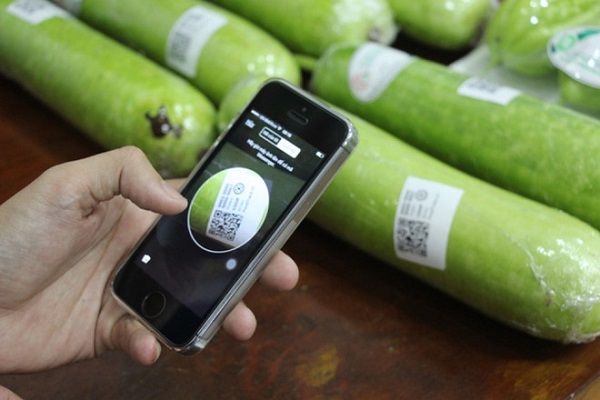
The system operates from July 1 to a range of key commodities, including rice, meat, eggs, milk, pineapple, passion fruit and tea - Illustration photo
The launch represents a key step in implementing the Politburo's Resolution No. 57 on breakthroughs in science, technology, innovation and national digital transformation.
The platform is expected to enhance the quality, transparency and global competitiveness of Vietnamese agricultural products.
Speaking at the launch on June 30, Deputy Prime Minister Ho Quoc Dung said product traceability has become a global requirement rather than an option limited to certain export products or markets. As consumers and importing countries increasingly demand greater transparency, food safety and supply chain accountability, he said Viet Nam must strengthen its traceability system to build trusted agricultural brands and expand access to high-value markets.
Ho called for prioritizing major agricultural products with high production and export value, particularly those shipped to key markets such as China, the European Union and the U.S. The system will then be gradually extended to other products requiring stricter quality and food safety management.
The platform incorporates electronic digital signatures, blockchain technology, GS1 international product identification standards and GS1 Digital Link QR codes to ensure secure, transparent and reliable data sharing. It is capable of processing around 1,000 search requests per second, supporting 30,000 simultaneous QR code scans and handling more than 85 million traceability scans each day.
So far, the system has integrated traceability data for more than 18,500 products in 181 product categories, contributed by 170 businesses across 24 of Viet Nam's 34 provinces and centrally governed cities.
in 2025, fruits and vegetables continued to be a standout growth segment, reflecting strong production potential, improving market adaptability and significant room for export expansion.
According to the Viet Nam Fruit and Vegetable Association, export turnover for the sector in 2025 is estimated at about US$ 8.59 billion, up nearly 20 per cent compared with 2024. However, alongside opportunities, the sector is also facing new technical barriers, particularly stricter requirements on production unit codes, traceability, residue control, and food safety.
Earlier, the pilot of the system, which will run from January 1, 2026, to June 30, 2026, aims to build a traceability database through the connection and integration of sector-specific data, with participating enterprises' data digitally signed in accordance with regulations.
In the initial stage, five enterprises across the production and supply chain will be mobilised to participate in testing, along with the issuance and attachment of electronic authentication labels to eligible durian consignments./.