
Issuance and use of cheques regulated
VGP - The State Bank of Viet Nam has issued Circular No.22/2015/TT-NHNN to regulate the issuance and use of cheques at banks and foreign banks’ branches operating in Viet Nam.
November 24, 2015 4:18 PM GMT+7
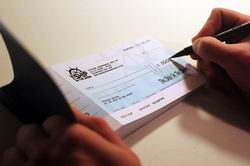 |
The signature must be signed directly on cheques by persons having rights and responsibilities to the cheques or by authorized persons.
Drawers can cancel their payment on signed cheques by sending written documents to drawees to inform the cancelation when the payment is requested.
In cheque transfers, it is regulated that in the first transfer, the beneficiary’s name of the transfer’s holder must be written on the front of the cheque. In the second transfer, the transfer’s holder must be the beneficiary in the first transfer and the process is continued until the last transfer.
When cheques are presented for payment at prescribed time and place and the drawer has sufficient liquidity to pay the amount written on the cheque, the drawee must check the legality of the cheques and is responsible for payment to the beneficiary or authorised beneficiary to ensure the legality and validity on the day of presentation or in the next working day.
If a drawer loses a blank cheque, he or she shall immediately notify the drawee in writing or in other forms as agreed.
If a beneficiary loses a cheque, he or she shall immediately notify the drawee in writing or in other forms as agreed; and notify the drawee directly or via the beneficiary in the previous transfer about the suspension of payment for the lost cheque.
The circular will be effective from January 12, 2016.
