
THE SOCIALIST REPUBLIC OF VIET NAM
Government News
What benefits Viet Nam can expect from FTSE Russell upgrade?
VGP - Viet Nam’s move from frontier market to secondary emerging market status under the FTSE Russell is a very significant milestone for Viet Nam as it is a strong international endorsement of the progress the market has made in reform, accessibility and infrastructure, according to HSBC.
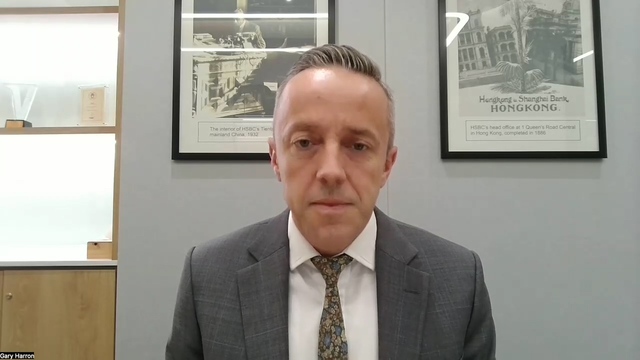
Head of Securities Services at HSBC Viet Nam Gary Harron - Photo: VGP
In a recent interview with the VGP, Head of Securities Services at HSBC Viet Nam Gary Harron said, the move brings Viet Nam into view for a much broader pool of global institutional investors.
HSBC Global Investment Research has highlighted that while inclusion in FTSE's Emerging Market universe will support passive inflows, it also raises Viet Nam's visibility with active investors who may previously have had limited ability or appetite to allocate to frontier markets.
It also matters because it changes perceptions. Moving out of the frontier category sends a strong signal that Viet Nam is becoming more investable, more accessible and more aligned with international standards, he added.
"For the broader economy, the significance is less about one immediate flow number and more about what this says about Viet Nam's trajectory. It reinforces confidence in the country's reform and policy story, strengthens its standing in global capital markets, and supports deeper engagement from long-term international investors over time. As a result, the market can play a larger capital mobilisation role in supporting the country's economic ambitions", stated the HSBC specialist.
Regarding important benefits Viet Nam can expect from the upgrade, beyond additional foreign portfolio inflows, Harron said, a key benefit is that the upgrade can accelerate overall market development and build credibility.
It raises Viet Nam's profile with a wider range of long-term institutional investors. That matters because these investors typically place strong emphasis on transparency, governance, operational resilience and market accessibility.
It can also help improve overall market quality. As international participation increases, there is usually greater demand for stronger disclosure standards, more efficient post-trade processes and continued alignment with global best practice. That benefits domestic investors as well.
Third, it can support the development of a deeper and more resilient capital market over time. That means a market that is broader, more liquid and better able to support corporate fundraising and future listings.
So while foreign inflows are the most visible short-term benefit, the bigger long-term gain is the momentum this creates for continued market modernisation and for a larger role in funding Viet Nam's growth ambitions, with the potential over time to reduce reliance on bank funding, he shared.
FTSE upgrade marks start of Viet Nam's next capital market phase
According to the HSBC specialist, the key challenge is that an upgrade raises expectations as much as it raises visibility.
Once a market enters the emerging market universe, investors will look not only at access, but also at consistency, transparency, settlement efficiency and the predictability of the operating environment. Viet Nam will need to maintain reform momentum and continue aligning market practices with international standards.
Secondly, Viet Nam will now be assessed against a broader and more competitive peer group. The focus shifts from achieving the upgrade to demonstrating that the market can continue to deepen, broaden its investor base and sustain confidence over the long term.
For that, it will be important for the market to demonstrate an ongoing willingness and ability to respond to the international investment community, as capital markets continue to evolve and other markets competing for the same capital continue improving their own efficiency and accessibility.
"The key point is that Viet Nam should treat this upgrade as a starting point, not an end point", he noted.
He suggested Viet Nam continue the reform agenda, especially around market infrastructure, settlement efficiency and international accessibility. The planned central counterparty model will be an important next step in further aligning the market with international practice. It should be designed for future growth, not just the volumes of today.
Viet Nam should continue broadening and deepening the market itself — through more quality listings, stronger disclosure standards and continued improvements in governance and transparency. It has been encouraging to see recent improvements in the IPO process, Harron recommended.
Importantly, Viet Nam should continue developing its domestic institutional investor base, including investment funds and pension-related pools of capital. That is what helps channel domestic savings into productive investment over time and supports a more stable, balanced and resilient capital market. It is encouraging to see ambitious growth targets for 2030 and initiatives to improve investor education, he emphasized.
If Viet Nam can sustain momentum on all three fronts, then the FTSE upgrade can become more than a short-term flow event. It can be a catalyst for the next phase of capital market development and support the country's longer-term path toward even deeper global market integration, underlined the HSBC specialist./.