
THE SOCIALIST REPUBLIC OF VIET NAM
Government News
Viet Nam, EFTA step up negotiations to finalize free trade agreement
VGP - The 19th round of negotiations for a free trade agreement (FTA) between Viet Nam and the European Free Trade Association (EFTA) is underway in Geneva, generating positive momentum as both sides demonstrate strong political to reach a trade deal as soon as possible.
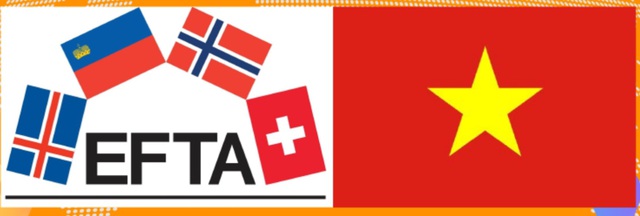
Viet Nam and the EFTA, which groups Switzerland, Norway, Iceland and Liechtenstein, have been negotiating the deal to deepen trade and investment ties.
During this latest round, negotiators focused on resolving key outstanding issues. Both sides noted substantial progress in core chapters, including trade in goods and services, investment, intellectual property, sustainable development and government procurement.
In a bid to expedite the process, the two sides agreed not to introduce new matters into the negotiations and instead concentrate on flexibly addressing remaining differences. Technical teams are stepping up legal reviews and completing necessary procedures, aiming to conclude negotiations and possibly sign the agreement at the upcoming EFTA Ministerial Conference scheduled to take place in Iceland this June.
The EFTA side commended Viet Nam's active engagement and its proposals on market access, while reiterating the bloc's strengths in fostering private sector investment and facilitating technology transfer.
Once finalized and signed, the Viet Nam–EFTA FTA is expected to significantly enhance bilateral trade and investment flows, broaden cooperation with some of Europe's most advanced economies and make a meaningful contribution to resilient supply chains and sustainable economic growth.
Viet Nam has joined a network of 17 free trade agreements involving 60 economies, covering most major global markets. Viet Nam's FTA network can be grouped into three main categories: ASEAN-based agreements, new-generation FTAs and bilateral accords.
High-standard trade agreements include the Comprehensive and Progressive Agreement for Trans-Pacific Partnership (CPTPP), the Regional Comprehensive Economic Partnership (RCEP), and the European Union–Viet Nam Free Trade Agreement (EVFTA). These agreements connect Viet Nam to major economies across Asia-Pacific, Europe and the Americas./.