
THE SOCIALIST REPUBLIC OF VIET NAM
Government News
Ha Noi-HCM City air route remains world’s fourth busiest
VGP - Viet Nam’s largest domestic route between Ha Noi and Ho Chi Minh City is the fourth busiest route in the world, according to the UK-based global travel data provider OAG.
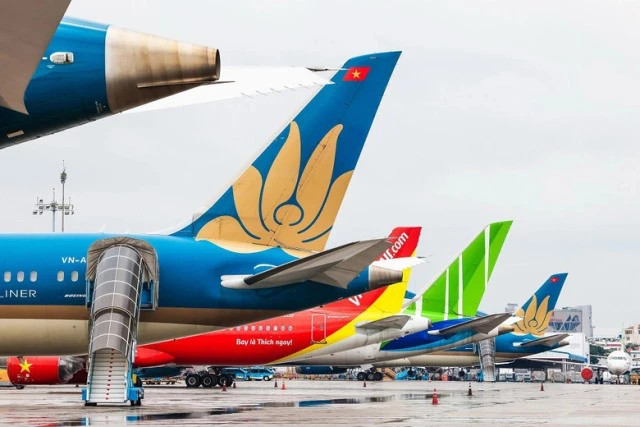
Over 11 million seats were scheduled in 2025, a 4 percent increase in year-on-year and 8 percent above 2019 levels. This route is highly competitive with six carriers operating in 2025.
Airfares on this route have decreased by 11 percent year-on-year with the average one-way ticket costing US$67.
This 1,000-km corridor connects the nation's political and economic centers, underpinning the growth of Viet Nam's aviation industry.
The two-hour flight is often dubbed the "golden line" by insiders—a title well earned by its staggering passenger numbers and strategic importance.
The popularity of the Ha Noi–Ho Chi Minh City route reflects several intertwined factors. Viet Nam's economic growth, regional connectivity, and population density fuel demand for quick and efficient travel between the two cities. While Viet Nam's railway infrastructure is growing, air travel remains the fastest and most practical option for many.
Economic drivers in both cities further amplify the demand. Ha Noi, the country's political heart, serves as a hub for government and education, while Ho Chi Minh City is Viet Nam's commercial powerhouse. Frequent business travelers, families visiting relatives, and an increasing number of tourists keep the route consistently busy.
Viet Nam's aviation sector is one of the fastest-growing globally, bolstered by a blend of strategic policies, rising tourism, and low-cost carriers.
The OAG's annual analysis of the world's busiest flight routes provides a comprehensive view of route performance and trends.
The Busiest Flight Routes of 2025 examines airline capacity across the world's most popular air routes, using seat capacity data from January to December 2025-powered by OAG's Global Airline Schedules Data./.